
I'm six years sober
If you're quitting alcohol, here's 6 things I want you to know

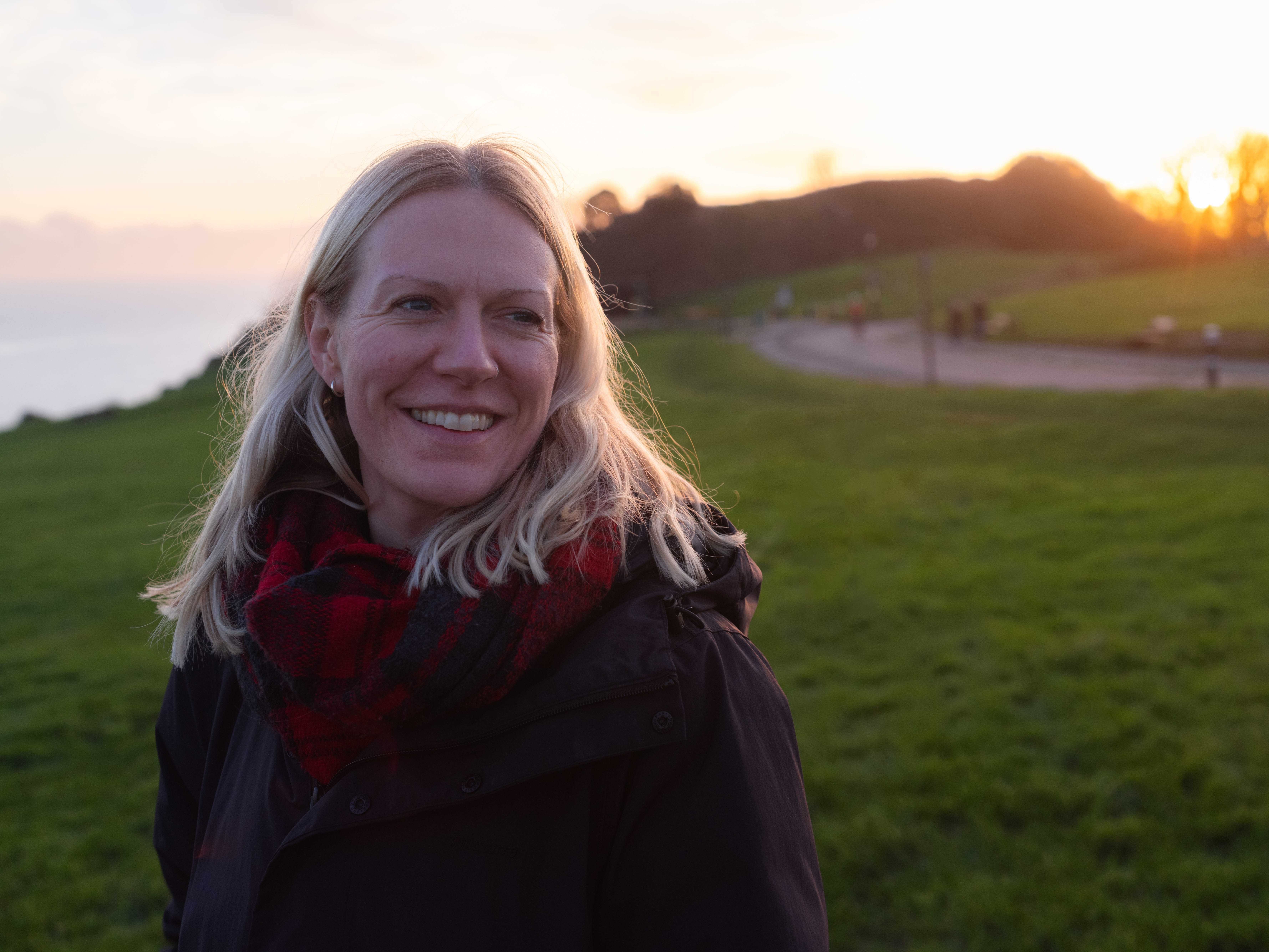
Before I begin, I wanted to let you know about two current offerings I have that could support you in your sober journey: free Joyful Dry January masterclasses - the next one is on managing cravings and sober socialising.
Register for free here. Recordings sent out after the call.
On Weds you can join our women’s sobriety support circle, also free if it’s your first circle and I have different price-points and ongoing free spots. Just email me at hello@ellie-nova.com and I’ll book you in.
You can listen to me read this piece here:
1. You are courageous beyond measure. Truly.
Even though you’re scared, even though you don’t know what the future holds, you are choosing not to accept your current circumstances. You are choosing not to believe that you will spend the rest of your days being controlled by a drug. You are choosing to hope. You are choosing to take control of your life. You believe in your own power to change your fate.
You are a warrior. Keep going.
2. You are not broken
I know it’s shit to have to finally accept that you ‘can’t just have one.’ You will likely feel shame. Disbelief. Anger. You will think: ‘I can’t believe I’ve got to a place where I don’t have control over my drinking.’
I want you to know that you are not broken. You are not abnormal or defective. Our society expects us to regularly drink a highly addictive substance and not get addicted. The alcohol industry perpetuates this belief by telling us to ‘drink responsibly’ when they make most of their profit from people who drink heavily. We are told that people are to blame, that ‘addicts’ and ‘alcoholics’ are weak-willed or sick in some way, and we protect the drug.
Addiction is an incredibly common human experience. In The Biology of Desire, neuroscientist Marc Lewis, who has experienced addiction himself, argues: ‘[…] addiction is not a disease. […] it is, rather, an unfortunate outcome of a normal neural mechanism that evolved because it is useful.’
Once we start to think critically about alcohol, and its role in our society, we can start to see that what is actually broken is the cultural belief that an addictive, carcinogenic toxin is the route to peace, love and happiness.
3. It takes time
This is not an overnight thing. There is no magic button. Even people who suddenly decide to stop drinking will have a lot of work to do on learning how to care of themselves and be with their feelings without using alcohol.
It makes sense that it takes time. Think of how many years you absorbed the belief that alcohol helps you relax, quieten your thoughts, give you confidence, have fun etc etc. Probably from when you were a kid, right? And how long did it take you to realise you didn’t have control over alcohol? Maybe months, probably years? So it makes sense that it’s going to take time to unlearn those beliefs and change those automatic habits. It’s going to take a lot of practice and repetition to rewire your brain.
But the good news is: this is for the long-term. Yes, it will take time before you are free from the desire to drink. But then you are free for the rest of your life! That’s the gift of this particular path to recovery that I have taken and that I support my clients with. You don’t use willpower, you don’t white-knuckle abstinence.
Perhaps that means it takes longer to get to a place of being alcohol-free but it means it’s so much more likely to stick. Because you no longer believe that alcohol is the solution. You have completely changed those neural pathways that used to speed towards ‘alcohol’ as the answer. You see alcohol for what it really is, what it’s always been. And you finally see yourself for what you’ve always been which is a beautiful, whole, normal human being deserving of love and compassion, just like everyone else.
4. The path will not be straight, or smooth
I wish there was a different word in the English language for ‘mistake’. Because we need to make mistakes in order to learn. Many of us were taught when we were kids that we should do everything perfectly first time and making mistakes meant we were failures. So it can be really uncomfortable and frustrating, and bring up feelings of shame, when we make a decision to quit alcohol and then we find ourselves drinking again.
It took me 20 months to quit alcohol. I went for a 10 day stretch to begin with which, for me, was a bloody miracle in itself. Then I went longer and longer - up to nearly 4 months. And each time I was triggered to drink (and I definitely felt shame and frustration) I stood back up, dusted myself off and went: right. Let’s look at this. What can I learn from this? What was I needing? What did I believe alcohol would give me? Did it meet my needs? How do I feel now? How do I really want to feel?
Ask yourself the questions. Write down the answers. Get to know yourself more and more each day.
Every time you drink, see it as a learning opportunity. A necessary part of the journey. The bumps, boulders, ravines, earthquakes, mountains and rivers you have to cross are all part of the path and the way it’s supposed to be. I know, it’s annoying. But remember where you’re getting to. Remember where this path is leading. Keep getting up. Dust yourself off. Give yourself a hug. And keep going.
5. You never go back to Day 1
Once you have your head out of the water, you can’t go back under. Once you see alcohol for what it really is, that information will stay with you.
Every time you drink again, you’re not going back: you have moved forward. You are further down the road and the fact that you drank just means you have more to learn.
There are layers and layers of unravelling that must take place. When I was quitting drinking, I had so many beliefs about how I thought alcohol was helping me that I had to unlearn. And having the information wasn’t enough: I had to experience it for myself. My body and mind had to know that alcohol wasn’t helping. And that knowing meant drinking again, yes. And then reflecting. Being really honest with myself. Journalling. Creating greater awareness. Greater clarity each time.
Until one day, it was my last ‘Day 1’. And one day, I had my last drink. And I’ve never had one since.
6. You are lovable. You are whole. You are perfect.
And you always have been.
If you’re new here - welcome. I’m so grateful to you for reading my words. I’m Ellie: a sober coach, mentor, mother and writer. I’ve been sober since December 2019 and am grateful every day for the gifts of living alcohol-free.
In A Little Fantastic Sober Life I share personal stories, supportive practices and information about alcohol to support you on your sobriety journey.
I also offer:
- 1:1 sober coaching
- monthly women’s sobriety circles
- a series of free masterclasses for Dry January.
Congrats on 6 years Ellie! 💛
This is such a beautiful share.
And thank you, especially, for pointing out that it makes sense that it takes time. A big part of my sober journey was spent feeling frustrated because my day count was stacking up but GAWD I still felt wonky and uncomfortable and “shouldn’t this be behind me by now” sort of vibe. The unhinging part takes so much time and I appreciate how you remove the self-blame from that equation.
Celebrating you, Ellie! This is such a beautiful share. And it really is true: there’s no going back, and there are layers and layers ❤️